A missing tooth affects not only your appearance but also chewing and the position of neighbouring teeth. The two most common ways to fill the gap are a bridge and an implant.
Dental bridge
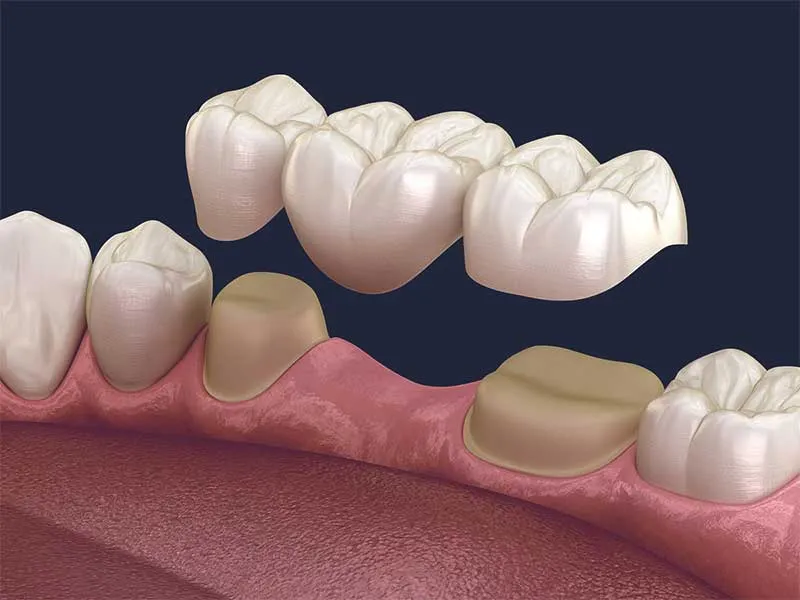
With a bridge, the teeth on either side of the gap are prepared as supports and a one-piece restoration that includes the missing tooth is cemented in place.
- No surgery, completed quickly
- A sensible option if the neighbouring teeth need crowns anyway
- But healthy neighbouring teeth have to be prepared
Implant
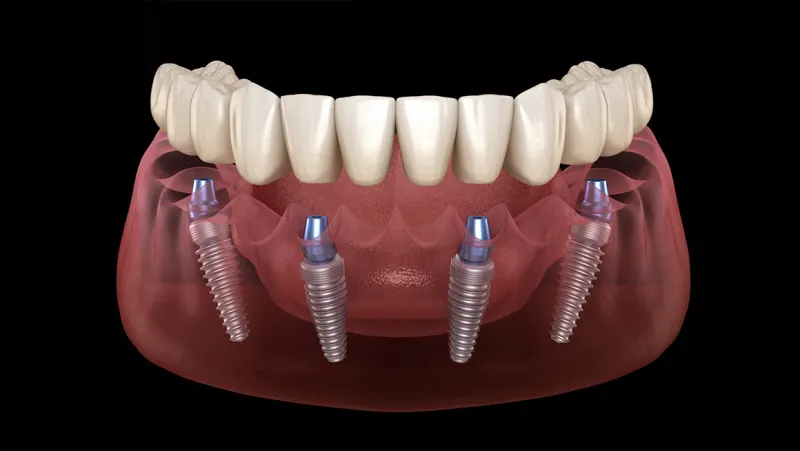
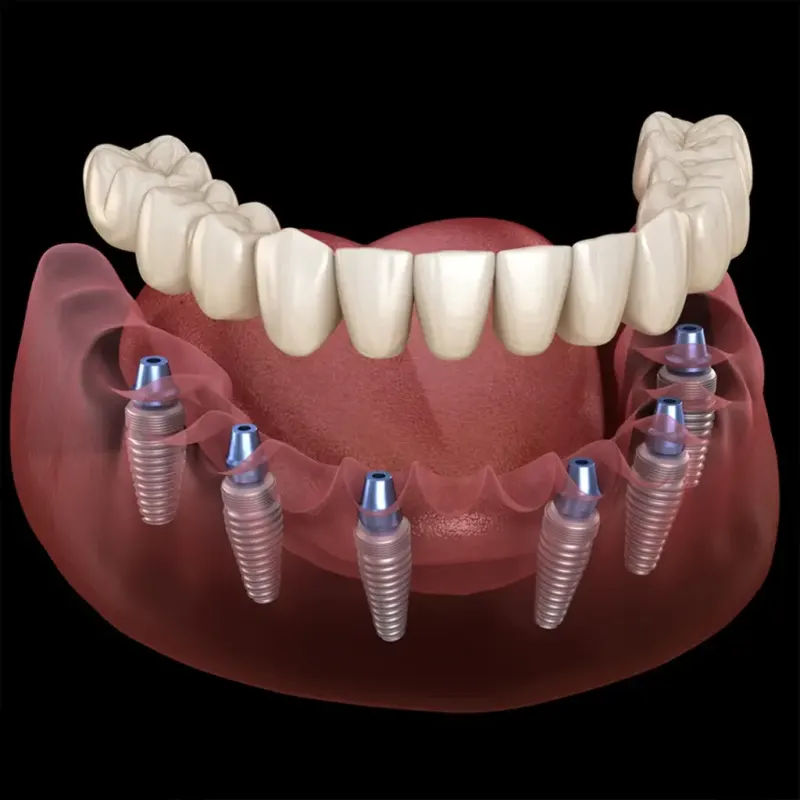
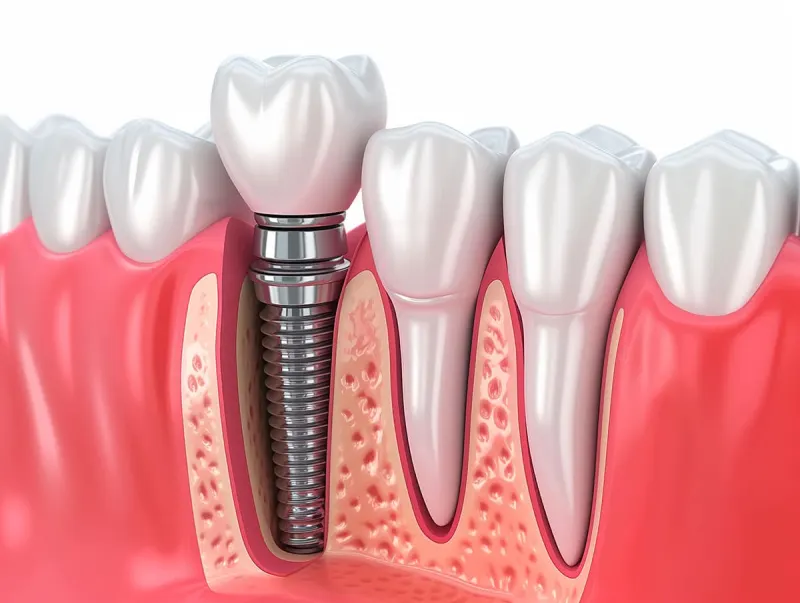
An implant replaces the root of the missing tooth in the bone; a single crown is placed on top.
- Neighbouring teeth are left untouched
- Slows down bone loss
- Takes longer because of the healing time
- Requires enough bone and good general health
Which should I choose?
If the neighbouring teeth are healthy, an implant is usually the more conservative choice. If they have large fillings or old crowns, or if conditions for an implant are not met, a bridge is a good solution. The decision is made by assessing bone, gum health, general health and your expectations together.
At the examination we explain the pros and cons of both options using your own images.
The information on this website is for general guidance and does not replace a dental examination.